Ensuring the quality of agricultural products is paramount for success in the competitive global export market. It builds trust with international buyers, ensures compliance with stringent regulations, and ultimately leads to sustainable growth. Here are five crucial ways to ensure quality in agricultural exports:
-
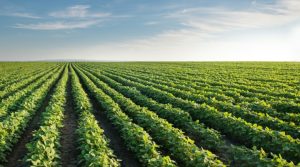
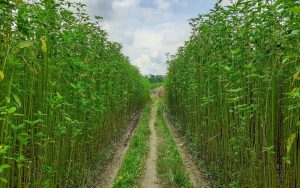
Implement Good Agricultural Practices (GAP) from Farm to Harvest: Quality begins at the source. Adopting GAP standards ensures food safety and sustainability throughout the cultivation process. This includes selecting high-quality seeds, proper soil and water management, minimal and responsible pesticide use, and hygienic handling practices during planting, growing, and harvesting. Regular monitoring and training for farmers are essential to maintain consistency.
-
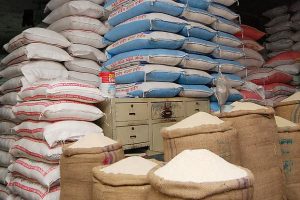
Master Post-Harvest Handling and Storage: The journey from farm to port can significantly impact quality. Effective post-harvest handling involves meticulous washing, sorting to remove damaged produce, and immediate temperature control (pre-cooling) for perishable goods. Proper packaging, using breathable and eco-friendly materials, and maintaining optimal cold chain conditions throughout storage are critical to preserving freshness and preventing spoilage.
-
Adhere to International Food Safety Standards and Certifications: Global markets have strict food safety requirements. Obtaining and maintaining internationally recognized certifications like GlobalGAP (for safe and sustainable farming), HACCP (Hazard Analysis and Critical Control Points for preventing contamination during processing), and ISO 22000 (for food safety management) signals your commitment to quality and opens doors to new markets. Regular audits and compliance checks are vital.
-
Establish Robust Quality Management Systems and Documentation: A comprehensive quality management system (like ISO 9001) provides a framework for consistency across all operations. This includes detailed documentation of every step, from production processes to shipment details. Accurate record-keeping ensures traceability, helps in troubleshooting, and is often a mandatory requirement for international trade. Continuous monitoring and improvement based on feedback loops are also key.
-
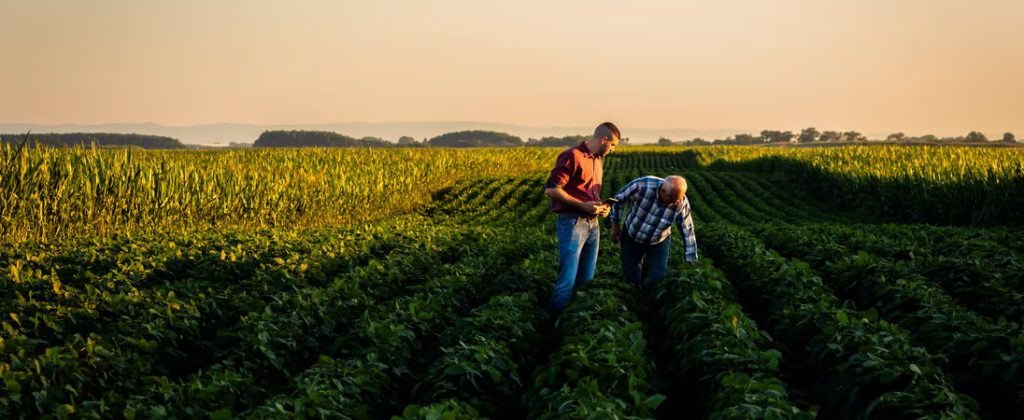
Leverage Technology and Training for Continuous Improvement: Technology can revolutionize quality control. Remote sensing and drones can assess crop health, data management systems streamline information tracking, and automated systems ensure consistent product quality. Beyond technology, investing in regular training and education for all staff involved in the export chain—from farmers to logistics personnel—is crucial. Knowledge of international standards and best practices empowers your team to uphold quality at every stage.
By meticulously implementing these practices, agricultural exporters can build a reputation for excellence and confidently meet the demands of the global market.