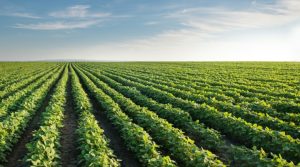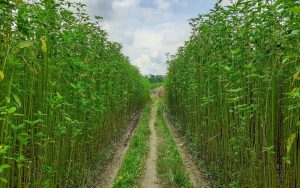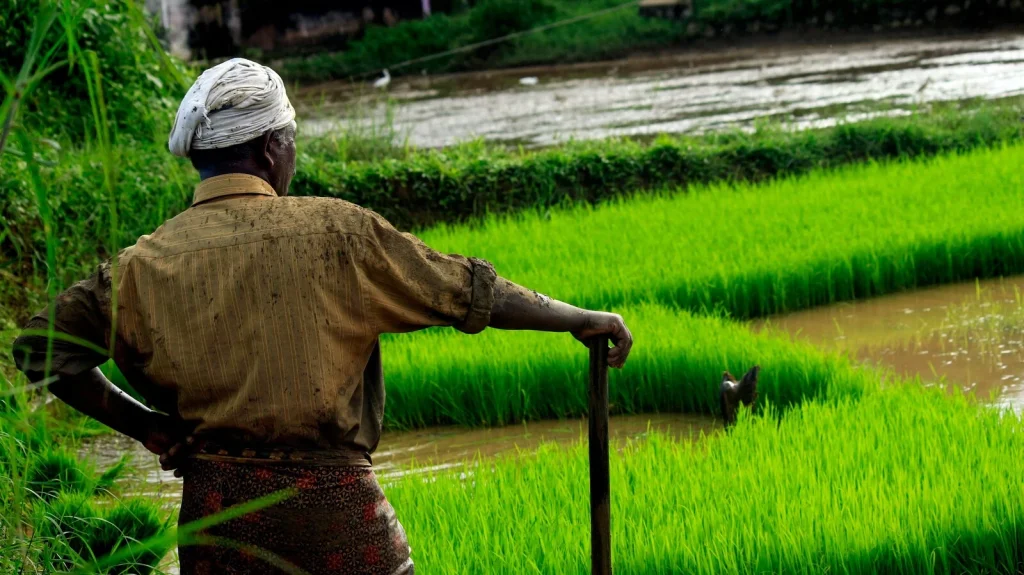
Climate change poses an existential threat to agricultural productivity in South Asia, a region home to a quarter of the world’s population and heavily reliant on agriculture for livelihoods and food security. The impacts are multifaceted and are projected to intensify, leading to significant challenges for crop yields by 2025 and beyond.
Direct Impacts on Crop Yields:
- Rising Temperatures: Increased temperatures, especially during critical growth stages, directly reduce crop yields. Studies suggest that a 1°C temperature rise in India could lead to significant drops in rice (32-40%) and wheat (41-52%) yields. This also contributes to increased water scarcity as evapotranspiration rates rise.
- Decreased and Erratic Rainfall: South Asia is experiencing a decrease in overall rainfall, coupled with increasingly erratic precipitation patterns. This includes prolonged dry spells, uneven distribution of rainfall, and unseasonal heavy rains. Such unpredictability makes traditional farming practices unreliable and severely impacts rain-fed crops.
- Increased Incidence of Pests and Diseases: Warmer temperatures and altered humidity levels create more favorable conditions for the proliferation of agricultural pests and diseases. This adds another layer of stress on crops, leading to yield losses and increased reliance on pesticides.
- Extreme Weather Events: The frequency and intensity of extreme weather events like droughts, floods, and heatwaves are on the rise. These events can devastate entire harvests, leading to significant economic losses for farmers and exacerbating food insecurity.
Broader Consequences:
The decline in crop yields has far-reaching consequences, including:
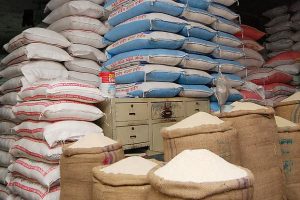
- Food Insecurity: Reduced production directly threatens food security for a burgeoning population.
- Economic Strain: The agricultural sector is a major contributor to GDP in many South Asian countries, and declining yields will lead to significant economic downturns and increased poverty among farming communities.
- Forced Displacement and Migration: As agricultural lands become less productive, climate-induced migration and displacement are becoming a growing crisis, with millions already affected and projections indicating even higher numbers by 2050.
Adapting to these changes requires urgent and concerted efforts. This includes developing drought- and flood-tolerant crop varieties, implementing climate-smart agricultural practices, improving irrigation infrastructure, and strengthening early warning systems for extreme weather events. The resilience of South Asia’s agricultural sector hinges on proactive and effective climate adaptation strategies.