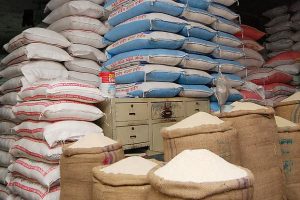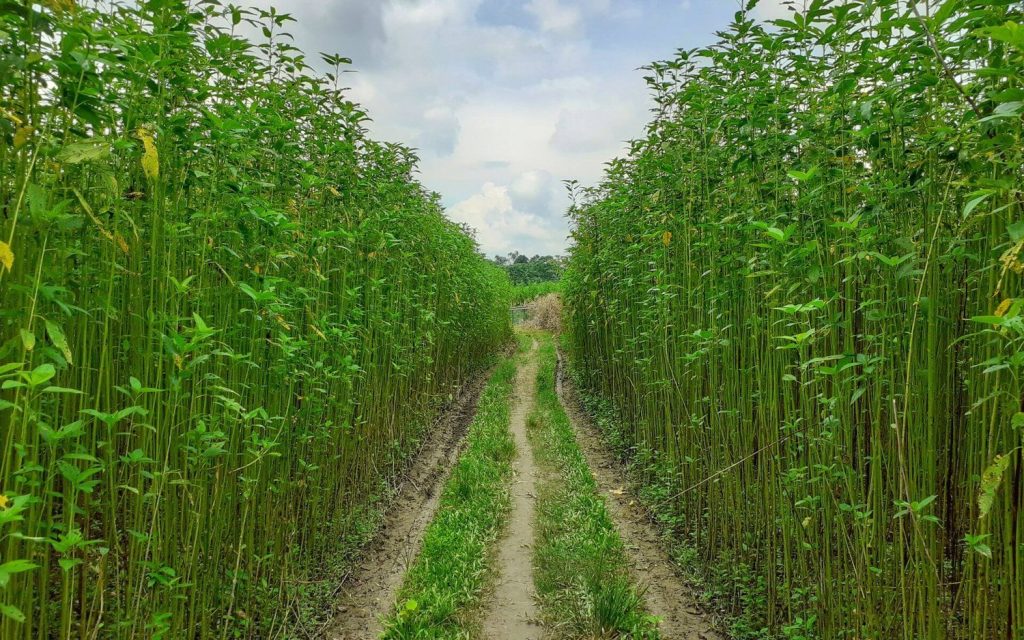
Jute, often dubbed the “golden fiber,” is experiencing a significant global comeback in 2025, driven by a powerful confluence of environmental consciousness, technological innovation, and a shift away from synthetic materials. The global jute market, valued at $2.8 billion in 2024, is projected to grow at a Compound Annual Growth Rate (CAGR) of over 5.8% from 2025 to 2034, with the jute bag segment alone expected to reach $1.6 billion by 2034.
Factors Fueling the Comeback:
- Environmental Imperative: In an era of heightened environmental awareness, jute’s biodegradability, renewability, and eco-friendly nature make it a highly attractive alternative to plastics. Jute bags, for instance, decompose in as little as six months, a stark contrast to plastics that persist for centuries.
- Sustainable Fashion and Packaging: The sustainable fashion movement and the rising demand for eco-friendly packaging are major drivers. Brands are increasingly aligning with sustainable practices, leading to a surge in promotional and consumer-friendly jute bags.
- Government Support and Policies: Governments worldwide are implementing policies that advocate for the adoption of sustainable materials and discourage the use of disposables, further boosting the jute market.
- Technological Advancements: Innovations in jute processing technology, such as enzyme-based retting and blending jute with other natural or synthetic fibers, are expanding its application beyond traditional uses. These advancements are enabling new uses in construction, automotive, and agriculture (geotextiles).
- Diversification of Applications: While packaging (jute bags, Hessian, sacking cloth) remains a dominant application, the jute industry is diversifying into new segments like home décor, fashion products, and industrial applications such as geotextiles and composites in civil engineering.
- E-commerce Growth: The rise of e-commerce has also contributed, with jute bags serving as eco-friendly packaging solutions for online deliveries, aligning with sustainable brand images.
While challenges like tariffs and supply chain variables exist, the inherent ecological benefits and increasing versatility of jute position it as a vital component in achieving circular economy goals and a truly sustainable future. The golden fiber is indeed reclaiming its rightful place in the global marketplace.